20+ years ago or so this small write up was written up.
I do not belive I ever published it, so it could be seen
I ran across it yesterday [SUNDAY DEC, 21-2025]
Over the years I have had a few people ask Me
How can a person find the vaule
of a tuning diode that is not marked.
So, after finding this write up yesterday after looking thru some files.
That it might be helpfull to others that might be wondering the same thing.
Varactor Tuning Diode Fun
One of my projects that was on my list for this winter was have a little fun with Varactor Tuning Diodes.
Tuning diodes come in more than one type of Package. There are the To-92 type, D07 axial type, 3 pin type [like BB104], and the small SMT [surface mount type]and sure other types also.
Varactor tuning diodes also come with different types of indentifcation on the parts.
Some are marked with the actual part number marked on the diode and some come with a color code or little color bars on the diode.
Then there are those that have what I call a house number on them.
Some have no marking or color code or part number on them.
Some of the very small smt tuning diodes fall in that category.
If you do not know or do not have the information about the house number on the part, then you are kinda at a loss to what you really have.
The Military was famous for using their own part numbers on many of the parts they used..[once again I always called them house numbers.
Some big companies were famous for doing the same thing.
One that comes to mind is Tektronix , many of their parts had their own part numbers on them and if you did not have the cross reference to what the part with their number was on it,HEATHKIT was another CO. that also did that, you were kind up the creek.
Ok, enough of the boring stuff, time to move back to Tuning Diodes.
Below is a photo of some of the different types Dan's Sells.
Photo No.1
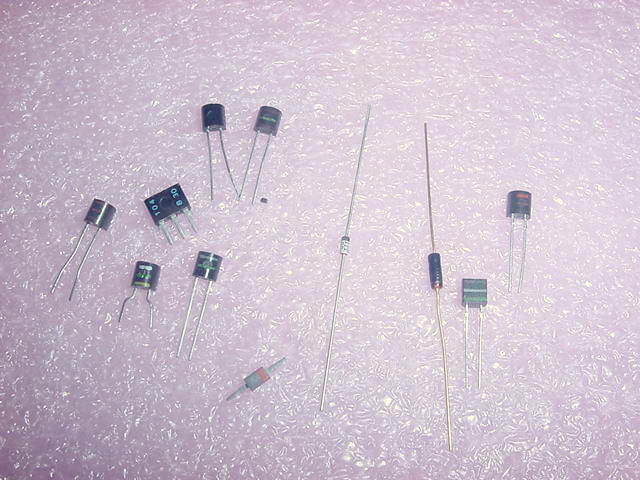
The photo above shows you some of the different kinds of tuning diodes, but not all kinds.
The little spec in the photo by one of the legs of one of the T0-92 case diodes is a SMT [surface mount tuning diode]
You will notice some of the diodes in the photo have color bars on them..more on that later.
You can use your capacitor meter and perform a simple test to see if the tuning diode is any good. If it is good it will show ample capacitance on your meter, if bad it will show near zero Also just to make sure your tuning diode is good or bad,reverse the the test leads from the capacitance meter, just to make sure. See photo No.2 below. This is a MVAM109 with color bars on it and meter shows it is a good one. Now..this simple test does not tell you the real use able capacitance of the tuning diode, all it tells you is if the diode is good or bad. More comming up on how to come close to the real vaule of a tuning diode. Photo NO. 2 With different voltages applied to a tuning doide you get different capacitance readings or range depending on the voltage applied to the diode. By being able to vary the voltage one can vary the capacitance and there for use a tuning diode instead of a air variable capacitor. So,some of you are thinking , I would like to be able to do that and test some of my tuning diodes, but do not want to spend a small fortune to be able to do so. Good news, One does not have to spend a lot of money to be able to do this. Most home brewers all ready have pretty much all they need to do this. Below is all you need to be able to test the swing in your tuning diodes. 12-13.8 vdc power suplly Volt Meter Capactance Meter Test Jig. Ok..Most of you got the 1st 3 items but are wondering about the last item. The last item you will need is a test jig of some sort for testing the tuning diode. My simple test jig. Photo NO. 4 Simple circuit for test jig. Parts List. 4.7 meg 1/4 resistor. .01mf [50-100 volt] disc cap. Piece of circuit board. Couple of alligator clips. Hook up wire and solder. Thats it..simple huh? You can use a reg pot instead of 10 turn pot. My self I prefer the 10 turn pot because it slows things down and make it a lot easier to vary the voltage on the diode you are testing. With a regular pot kinda hard to vary 1/10 of a volt and etc. You could even use different vaule of pot and probably different vaule of resistor, but did not try that..I was happy with how this simple circuit worked. Notice: This simple but effective circuit was sent to me by a well respected author of many fine articals in one of the fun to read ham radio mags that was fun to read some years back [over 12 years ago] I did not mention the persons name because have not heard from him for years and hope he is still with us. I played around with quite a few different varactor tuning diodes and will present my results of only 2 of the many played around with. Below Many of you are all ready familiar with this varactor tuning doide. Many of you have a qrp transceiver that used this diode. The photos below show the results of my simple way of testing Varactor tuning diodes. > Below. The results are below in the photos. By that, did not seem to want to go any lower in capacitance. Below 1 volt the MVAM109 went even higher than shown at 1 volt. Are there more sophisticated ways of tested varactor tuning diodes? Of course there is, along with a more sophisticated way of testing, you also need more sophisticated test equipment and that was not the purpose of this little write up here. My main interest was simplicity, and belive that was accomplished with the simple set up used,or at least I was happy with the results. How did the results I got compare with per say the data the manufacture has? My self, was not really that interested trying to duplicate their data. How they come up with their data on a part is under a lot different conditions than most of us have and also they use equipment that most of us will never have and I belive a lot of us have no desire to have, or at least I have do desire too. I do belive how ever the simple tests I did with the simple equipment that was used gave me pretty much all I needed to know and also the results were not that far off of the factory data. What about per say 5 of the same kind of tuning diode reading the same? Will not happen, 5 of them will have slightly different readings, either a little higher or lower...if they were per say all the same then I would think the diodes would be matched...and for sure do not belive the factory is going to go to all that time and effort on a run of parts. Its kind a like a batch of crystals...you may have to check 30 to get 5 or 10 that read exact the same....I would think probably the same thing apply to tuning diodes also. I did check 4 or 5 of the same vaule of the tuning diodes tested and came close, but no 2 were the very same. What about rectifier diodes? I, for the fun of it checked a few of those also while had things set up. I was able to get about 20-30 pf swing on a couple of retifier diodes. I was going to try a couple of transistors, but never got around to it...some place some where read about using part of a transitor as a tuning doide. Maybe some other time will give that a try. How good would the simple test circuit I used work in a actual circuit like a receiver or transmiter...Probably not so good, would need some things added, but it worked great for what it was intended for. I thought it would be fun to try different pots and different this and that and see what one came up with, but no time for that right now, maybe some day. Ok..there you have it..a couple of days of fun and learning experience for me also. Happy tuning diode testing. The cap meter that was used most of you, or a big share of you have or have heard of it. Mine has been dropped how many times?? I forgot..hi hi..and stepped on a few times and taken a part and repaired and back up going again. How accurate is my meter...do not know...good enough for me for what I was doing. Your meter possible will get different readings and thats ok. You will have to do your own testing and come up with your own conclusions of your own tests. Don't be afraid to try your own ideas, that is how a person really learns. Some times we have success and some times failures, but over all we learned something. Those that always follow the leader or afraid to try their own ideas have really only learned how to follow the leader! Later on some day [when find the time] will test a few more tuning diodes and present the results here. TO READ THE SIMPLE WRITE UP ABOUT "TESTING TUNING DIODES" 25 ASSORTED TUNING DIODES 25/$7.50
Simple Test For Tuning Diodes
So, what is a simple test one can do to see if a tuning diode is any good or has a open or short inside.
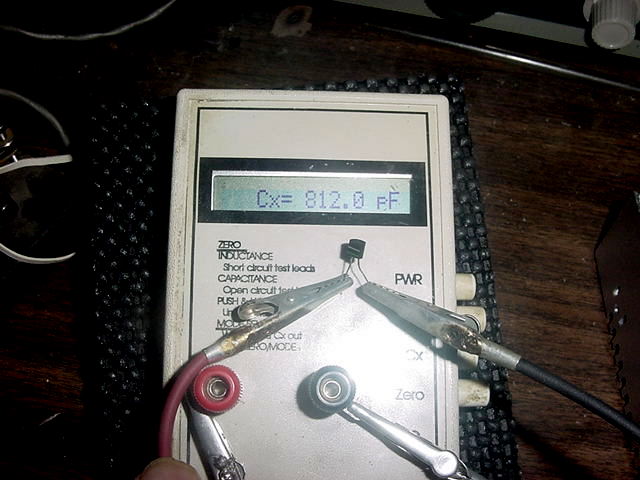
How To Check The Swing Of A Tuning Diode
Some times its nice to be able to check the swing of a Tuning diode,or the range of the tuning diode.
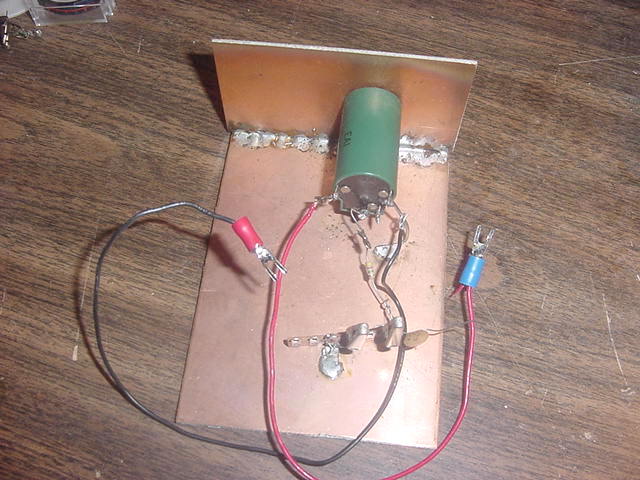
Photo No.3
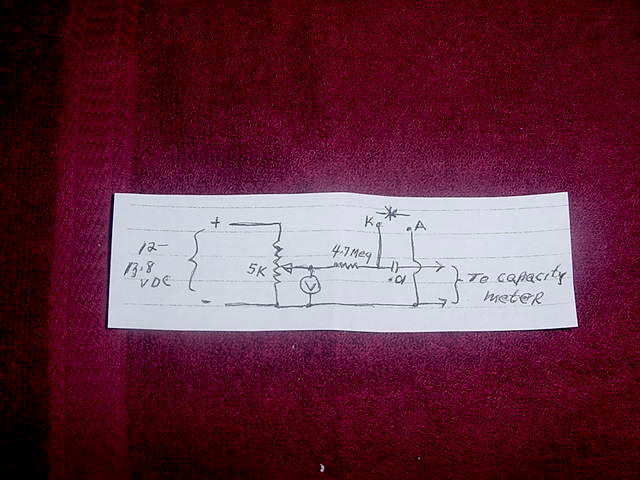
5k 10 turn pot.MV1662 Results.
Note:The MV1662 is color banded and MV1662 is not marked on the case of the part.
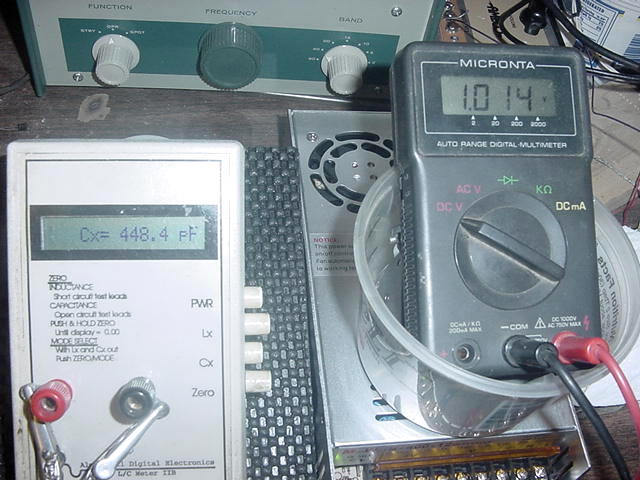
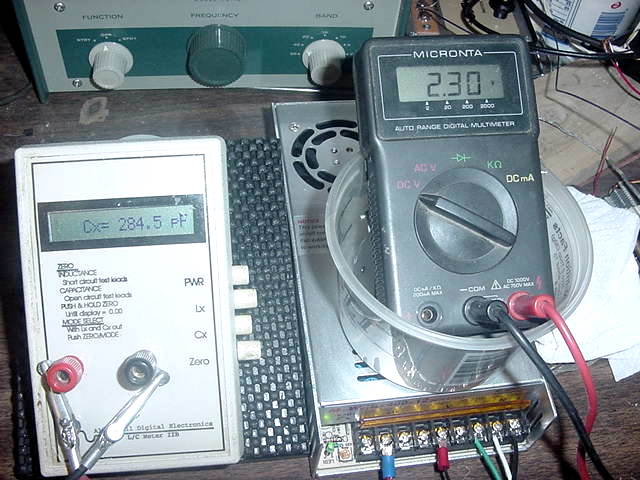
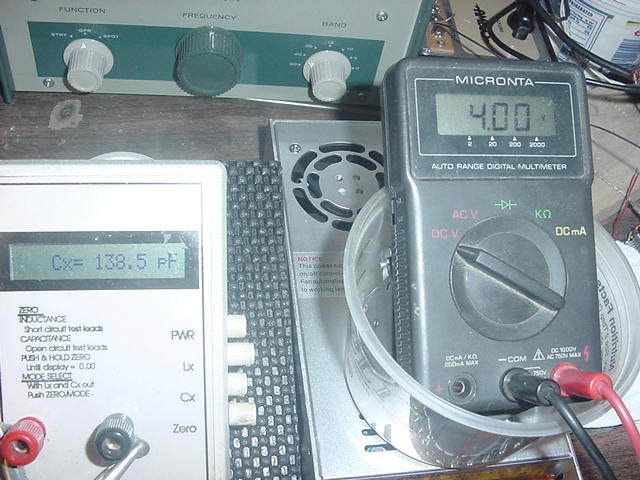
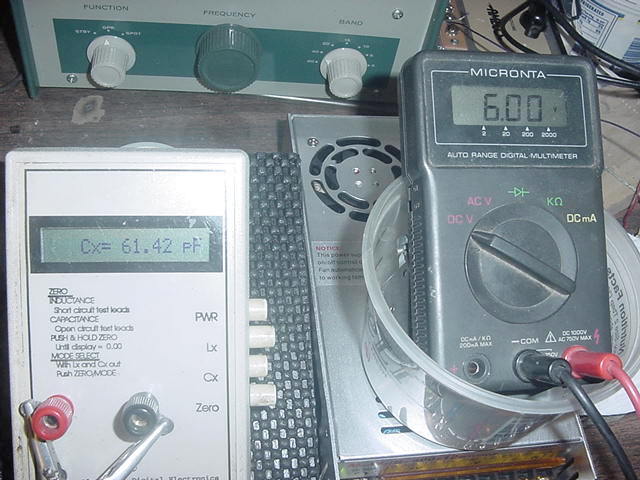
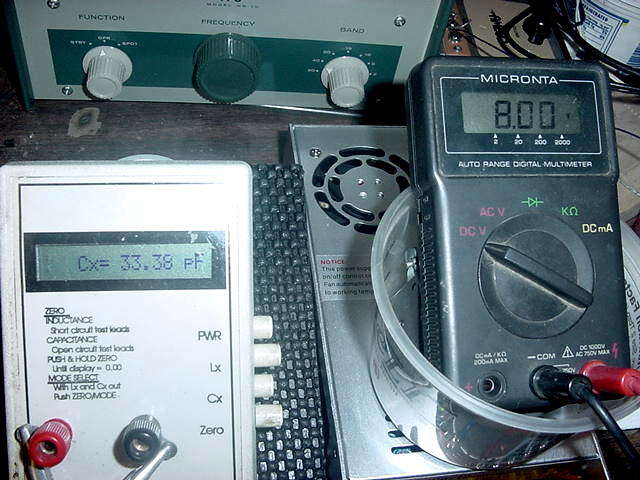
MVAM109 Results
NOTE: The MVAM109 tested was randomly selected from a bag of MVAM109'S that are color banded. [ MVAM109 not marked on part]
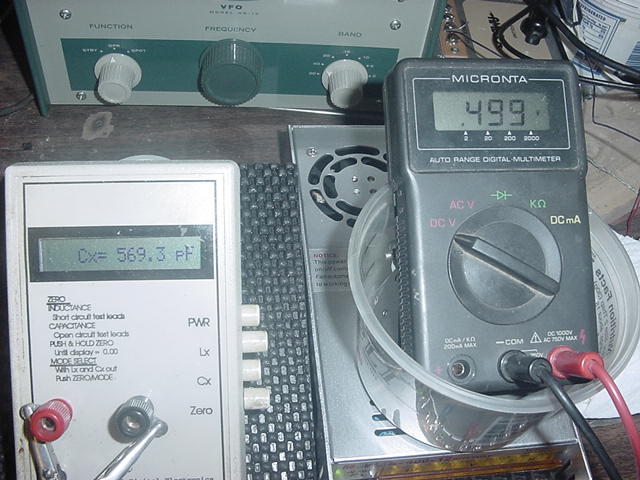
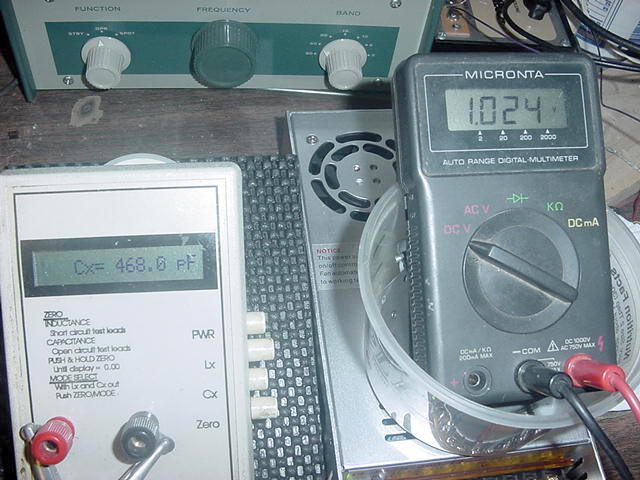
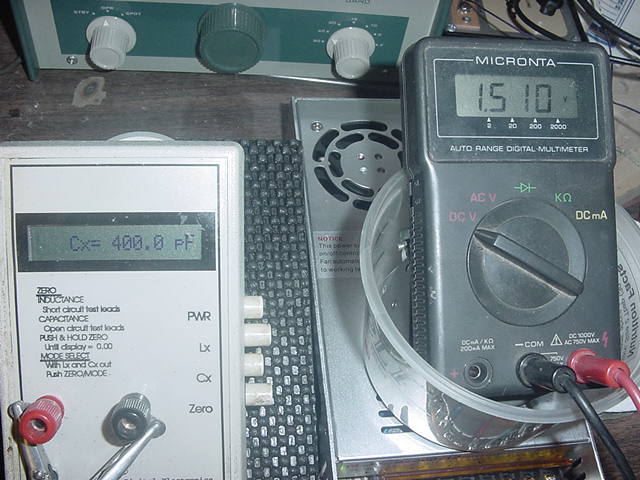
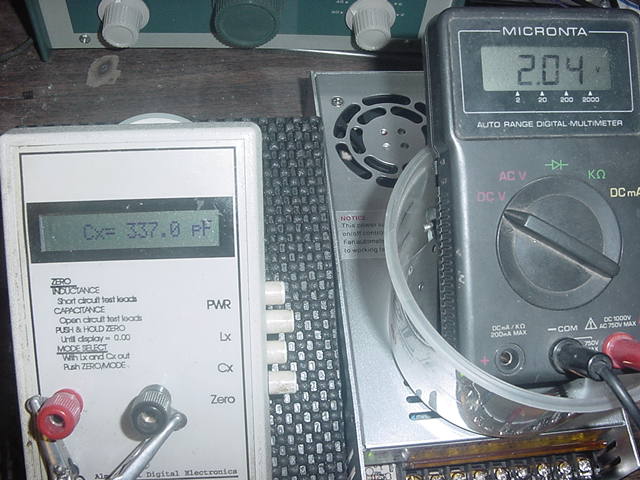
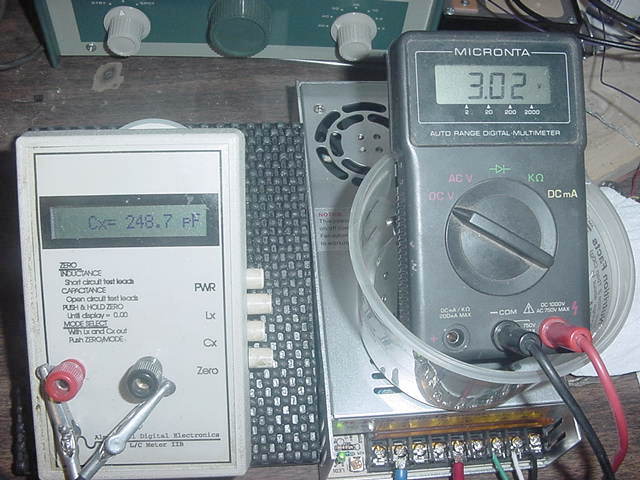
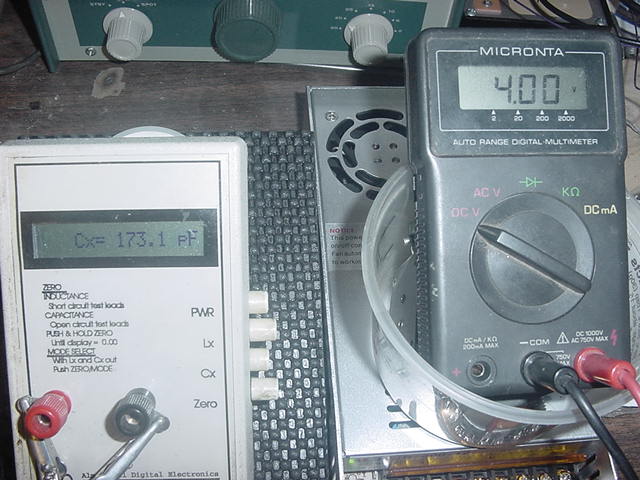
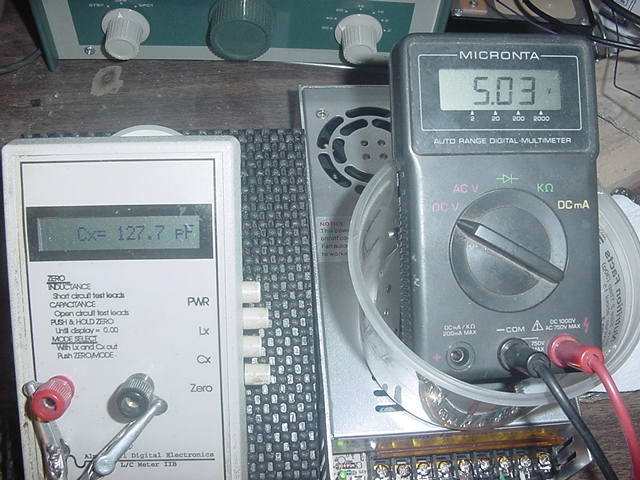
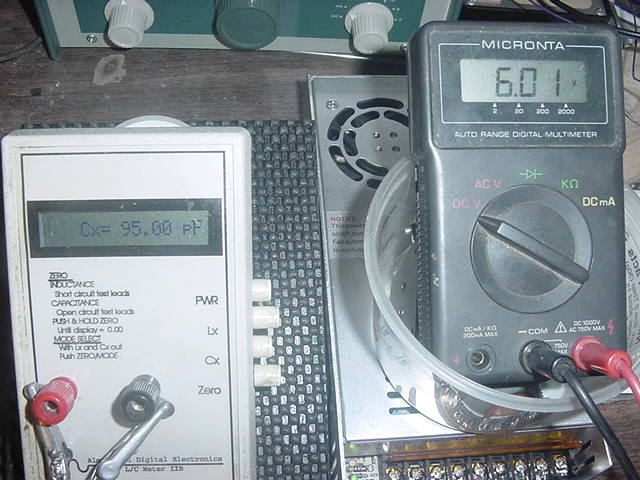
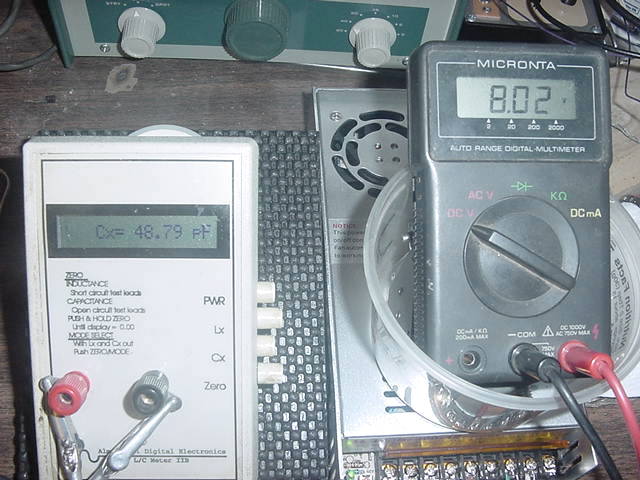
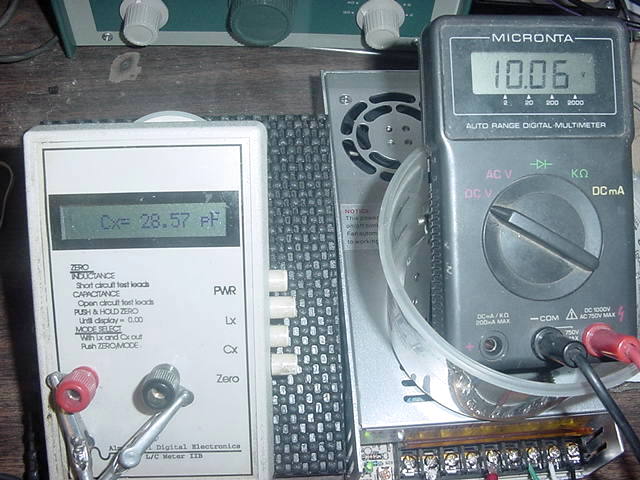
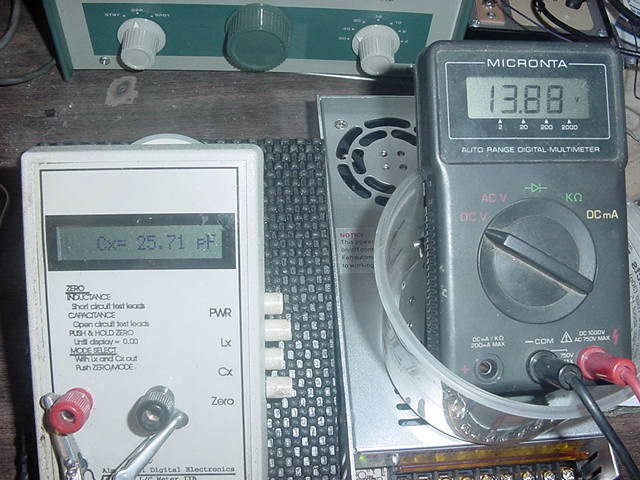
The MVAM109 pretty much bottomed out at 13.8 volts.
CONCLUSION
There you have it,a simple way to get some kind of idea what some of those varactor tuning diodes are and a idea of the range they have.
Disclaimer
Note: The above information was just the results of simple tests that were performed by me.
SPECIAL DEAL ON TUNING DIODES
BELOW IS A SPECIAL DEAL FOR THOSE THAT TOOK THE TIME